Home»
Texas: South Texas Tropicals & Whooping Crane Extension
Texas: South Texas Tropicals & Whooping Crane Extension
Your first visit to South Texas is like going to a whole different country!
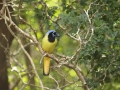
Here at the southern tip of the United States, where the Rio Grande meets the Gulf of Mexico, is one of the most birdy places in the country. From the roaming flocks of Green Jays to the stunning Altamira Oriole, you will never get tired of the birds down here. This tour is designed to maximize your chances for seeing as many of the these South Texas specialties and vagrants as possible So grab your binoculars and let the lifers roll in on BRANT’s South Texas Tropicals tour!
On our Whooping Crane Extension we’ll have the chance to get up close and personal with the charismatic and highly endangered Whooping Crane. The Texas coast is home to the majority of the world’s population of these beautiful birds and a chance to see these amazing creatures should not be missed!
DatesCosts
7 Days & 6 Nights (9 Days & 8 Nights w/ Extension) Main Tour Only – $1,547 (+ tax)
2016: February 1st – 7th (Ends February 9th w/ Extension) Main Tour w/ Extension – $2,097 (+ tax)
Tour begins today in Harlingen. Transfer to Alamo Inn. There will be time to relax and organize before dinner, where we will talk about plans for the trip. Night in Alamo.
Day 2
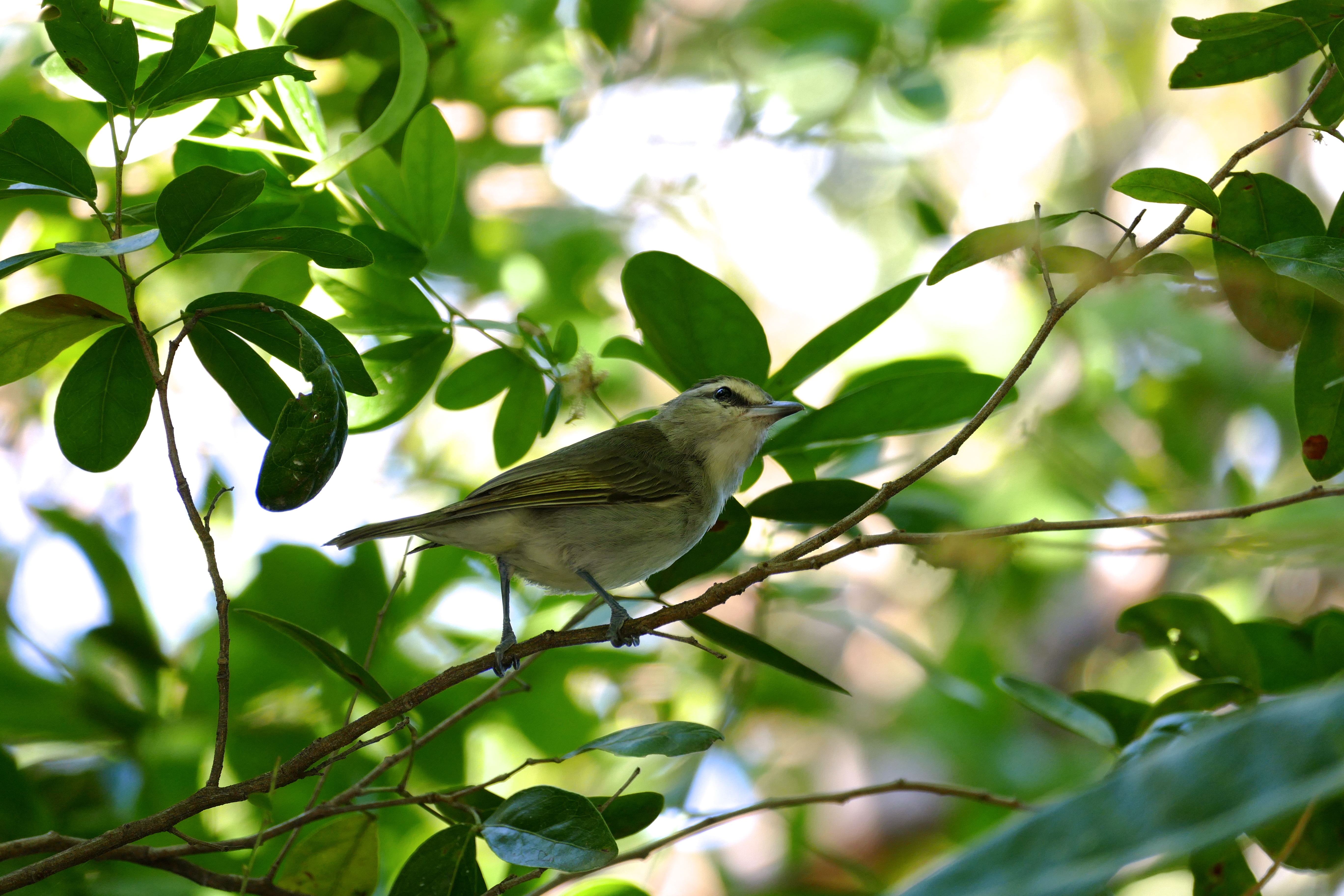
Today we will have our first taste of the tropical specialties that inhabit South Texas. The exact sites we will be birding will depend on local conditions and of course the birds! We will be spending the day birding native deciduous forest as well as extensive marshes and resacas (the local Spanish term for oxbow lake). The great feeding stations that are set up in most of the parks are a nice introduction to the bird life of the region as many of the specialty species such as Green Jay, Black-crested Titmouse, White-tipped, Inca and Common Ground-Dove, Plain Chachalaca, Golden-fronted Woodpecker, Altamira Oriole and Buff-bellied Hummingbird can be very confiding. As we move away from the feeders and into the woodland habitats we are likely to find species such as Northern Beardless Tyrannulet, Great Kiskadee, Couch’s Kingbird, Common Pauraque, “McCall’s” Eastern Screech-Owl (a distinct subspecies), Long-billed Thrasher, Olive Sparrow and Clay-colored Thrush. We will also encounter many wintering species that are regularly seen in other parts of the US. Yellow-throated, Nashville, Wilson’s, Orange-crowned, Black-and-white, and Yellow-rumped Warblers, Blue-headed and White-eyed Vireos, Blue-gray Gnatcatcher and Least Flycatcher, are regular. The resacas offer a whole new set of birds. Many species of waterfowl including Mottled, and Ring-necked Duck, Black-bellied Whistling-Duck, Blue-winged, Cinnamon, and Green-winged Teal, Northern Pintail, Least and Pied-billed Grebes, and Common Gallinule are all possibilities.We will also have a chance for lots of raptors including White-tailed, Zone-tailed, and Gray Hawks, White-tailed and hook-billed Kite and more!
Towards the end of the day we will head to McAllen to search for Green Parakeets and Red-crowned Parrots. These native parrots have colonized the larger towns in the valley and can be seen in the evening as they fly to roost. Once we’re all birded out we’ll return to the lodge for dinner and to review our list for the day. Night in Alamo.
Day 3
Today we will explore the coastal region of South Texas. South Padre Island is a long, narrow Barrier Island and a well known Spring Break destination. But have no fear, there are no tourists here! Not in the winter months at least, so we’ll have the island to ourselves. There are a few small stands of trees here that often have interesting wintering passerines such as Pine, Palm, Black-throated Green, and Yellow-throated Warblers. South Padre Island also hosts some great marshes and sheltered lagoons, as well as great sea watching and beaches filled with wintering shorebirds. You can expect to see Tricolored and Little Blue Herons, American and Least Bittern (if we’re lucky), Reddish Egret, Sandwich, Royal, Caspian, Gull-billed, Foresters and Common Terns, Silt, Western, Least, and Solitary Sandpipers Dunlin, Whimbrel, Long-billed Curlew, American Oystercatcher, Marbled Godwit, Piping, Snowy, Semipalmated, and Black-bellied Plovers, Clapper Rail, White Ibis, and numerous ducks and gulls. For those of you who enjoy reptilian creatures keep an eye out for American Alligators hiding in the waters just off the island boardwalk.
After we finish birding the island we will head to the famous Laguna Atascosa National Wildlife Refuge situated on the Laguna Madre which is the wintering sight for some of the largest concentrations of ducks and waterbirds in the world! We will spend the afternoon exploring the many ponds and lagoons in search of a variety of species of ducks, shorebirds, and waders as well as many scrubland birds. As we leave the refuge we will keep an eye out for one of the several pairs of breeding Aplomado Falcons and if we’re really, really lucky we may get a glimpse of an Ocelot! Night in Alamo.
Day 4
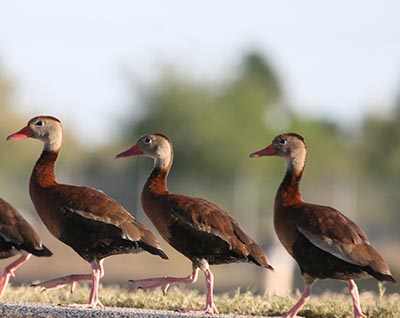
Black-bellied Whistling Duck
Today we will start birding in the Brownsville area at the southernmost portion of the valley. The birds here will be similar to the areas further north with species like Green Jay, White-tipped Dove, Olive Sparrow, and Buff-bellied Hummingbird. This is also a great place to find Green and possiblyRinged Kingfishers. We will start the day at Sabal Palm Sanctuary located on the Rio Grande south of Brownsville. This sanctuary features the largest remaining stand of native Sabal Palm forest. Besides the regular Lower Rio Grande Valley bird species this reserve frequently hosts Mexican rarities. Crimson-collared Grosbeak, Tropical Parula, Gray-crowned Yellowthroat, Golden-crowned Warbler, Blue Bunting, Dusky-capped Flycatcher and Masked Duck have all been seen here in the past. After Sabal Palm, we will visit a number of small city parks and reserves in Brownsville that may offer a variety of south Texas specialties as well as interesting overwintering species. We may also stop at the famed Brownsville Dump to search for rare gulls.
After leaving Brownsville we will head to the coastal plains just east of town to search for Aplomado Falcons as well as grassland species such as Cassin’s Sparrow and Sprague’s Pipit. We will then head back west and end the day at Bentsen Rio Grande Valley State Park. This famous birding location is home to some great feeders and resacas. After we leave Bentsen we will return to Alamo for the night.
Day 5
Today we will leave very early and drive north to upper region of the Valley. This portion of the river is much dryer and is dominated by Tamaulipan Thornscrub. We will start the morning at dawn along the river where we hope to see Red-billed Pigeon and Muscovy Duck if we are very lucky. Riverside birding will also provide chances for many of the regular valley specialties as well as a few new ones such as Audubon’s Oriole, Hook-billed Kite, Zone-tailed Hawk, Pyrrhuloxia, and many more. Brown Jays used to be regular in this area but have become increasingly difficult in recent years. Nonetheless we will keep our eyes (and ears) out for this loud bird. We will then drive further north to Laredo to search for one of the Valley’s most sought after birds, the White-collared Seedeater. These skulky, cute little birds can be easy to find some years while other years they are extremely difficult. After lunch we will make our way back south with several stops to look for some desert specialties such as Black-throated Sparrow, Black-tailed Gnatcatcher, Pyrrhuloxia, Verdin, Greater Roadrunner, Western Meadowlark, Vermilion Flycatcher and Cactus Wren. We will then return to Alamo for the night.
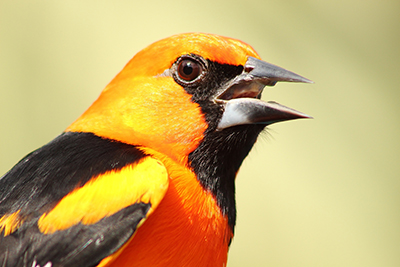
Altamira Oriole
Day 6
Missed a species? Want a better look at another? Or maybe you want to chase a recently found rarity! The last birding day of the tour is open ended. We’ll be following the birds so to speak with our destination being decided the night before by the guides and participants. Whatever we decide to do it’s sure to be filled with birds, smiles and laughs! Night in Alamo.
Day 7
Breakfast followed by transfer to airport. Main tour ends this morning in Harlingen.
Whooping Crane Extension
Day 7
After dropping off our non-Whooping Crane contingent, we will start the drive north to Corpus Christi. We plan on making several stops along the way to look for various waterbirds and wintering passerines. This will mostly be a leisurely travel day with frequent birding stops. Night in Corpus Christi.
Day 8
After a short drive we will load on to our boat for the morning and head out into the lagoons of Aransas National Wildlife Refuge. This water wonderland is the home to most of the worlds population of Whooping Cranes during the winter months. We will likely see several family groups of these enormous, majestic birds throughout the morning! But cranes are not the only birds that live here, we will also see species such as Roseate Spoonbill, Tricolored Heron, Reddish Egret, American Oystercatcher, Caspian and Royal Tern, and many many more. After our boat trip, and lunch, we will hit some more great birding locations on the coast, but this time from land. Species such as Sedge Wren, Clapper Rail, Seaside Sparrow, and Le Conte’s Sparrow will be great additions to our list! That evening we will return to Corpus Christi for out last bit of birding before retiring to dinner and then to bed. Night in Corpus Christi.
Day 9
Transfer back to Harlingen Airport. Tour ends in Harlingen.
Although we will typically adhere to the above itinerary, the exact schedule of the tour is liable to change depending on local conditions and of course the birds!
(The checklist can also be viewed and printed as a PDF file by clicking this link:Coming Soon…)
Bold species will most likely be seen on this tour
Non-bold species are only sometimes seen on this tour
Starred* species have occurred at least once, but are very unlikely on this tour
Ducks, Geese & Swans
Black-bellied Whistling-Duck
Fulvous Whistling-Duck*
Greater White-fronted Goose
Snow Goose
Ross’s Goose
Canada Goose
Cackling Goose*
Muscovy Duck*
Gadwall
American Wigeon
Mottled Duck
Blue-winged Teal
Cinnamon Teal
Northern Shoveler
Northern Pintail
Green-winged Teal
Canvasback
Redhead
Ring-necked Duck
Lesser Scaup
Bufflehead
Red-breasted Merganser
Masked Duck*
Ruddy Duck
Chachalacas
Plain Chachalaca
Quails
Scaled Quail
Northern Bobwhite
Grebes
Least Grebe
Pied-billed Grebe
Eared Grebe
Pelicans
American White Pelican
Brown Pelican
Cormorants
Neotropic Cormorant
Double-crested Cormorant
Anhinga
Frigatebirds
Magnificent Frigatebird
Herons & Bitterns
American Bittern
Least Bittern
Bare-throated Tiger-Heron*
Great Blue Heron
Great Egret
Snowy Egret
Little Blue Heron
Tricolored Heron
Reddish Egret
Cattle Egret
Green Heron
Black-crowned Night-Heron
Yellow-crowned Night-Heron
White Ibis
Ibis, Storks & Spoonbills
White-faced Ibis
Roseate Spoonbill
Wood Stork
Vultures
Black Vulture
Turkey Vulture
Opsreys
Osprey
Kites, Eagles & Hawks
Hook-billed Kite
White-tailed Kite
Northern Harrier
Sharp-shinned Hawk
Cooper’s Hawk
Gray Hawk
Harris’s Hawk
Roadside Hawk*
Red-shouldered Hawk
Broad-winged Hawk*
Swainson’s Hawk
White-tailed Hawk
Zone-tailed Hawk
Red-tailed Hawk
Rails, Gallinules & Coots
Clapper Rail
Virginia Rail
Sora
Common Gallinule (Moorhen)
American Coot
Sandhill Crane
Plovers
Black-bellied Plover
American Golden-Plover*
Snowy Plover
Piping Plover
Wilson’s Plover
Semipalmated plover
Killdeer
Mountain Plover
Stilts, Avocets & Oystercatchers
American Oystercatcher
Black-necked Stilt
American Avocet
Sandpipers
Spotted Sandpiper
Solitary Sandpiper
Greater Yellowlegs
Willet
Lesser Yellowlegs
Long-billed Curlew
Whimbrel
Marbled Godwit
Western Sandpiper
Least Sandpiper
Red Knot*
Sanderling
Dunlin
Stilt Sandpiper
Short-billed Dowitcher
Long-billed Dowitcher
Gulls & Terns
Laughing Gull
Franklin’s Gull
Bonaparte’s Gull*
Ring-billed Gull
Herring Gull
Thayer’s Gull*
Lesser Black-backed Gull
Glaucous Gull*
Gull-billed Tern
Caspian Tern
Royal Tern
Sandwich Tern
Common Tern
Forester’s Tern
Black Skimmer
Pigeons & Doves
Rock Pigeon (I)
Red-billed Pigeon*
Eurasian Collared-Dove (I)
White-winged Dove
Mourning Dove
Inca Dove
Common Ground-Dove
Ruddy Ground-Dove*
White-tipped Dove
Parrots
Red-lored Parrot
Green Parakeet
Cuckoos & Roadrunners
Greater Roadrunner
Groove-billed Ani*
Barn Owls
Barn Owl*
Typical Owls
Eastern (McCall’s) Screech-Owl
Great Horned Owl
Short-eared Owl*
Nightjars
Lesser Nighthawk
Common Pauraque
Hummingbirds
Buff-bellied Hummingbird
Ruby-throated Hummingbird
Black-chinned Hummingbird
Broad-tailed Hummingbird*
Rufous Hummingbird*
Allen’s Hummingbird*
Kingfishers
Ringed Kingfisher
Belted Kingfisher
Green Kingfisher
Woodpeckers
Golden-fronted Woodpecker
Yellow-bellied Sapsucker
Ladder-backed Woodpecker
Northern “Red-shafted” Flicker
Northern “Yellow-shafted” Flicker
Falcons
Crested Caracara
American Kestrel
Merlin
Aplomado Falcon (I)
Peregrine Falcon
Prairie Falcon*
Tyrant Flycatchers
Northern Beardless-Tyrannulet
Least Flycatcher
Gray Flycatcher
Black Phoebe
Say’s Phoebe
Vermilion Flycatcher
Dusky-capped Flycatcher*
Great Kiskadee
Tropical Kingbird
Couch’s Kingbird
Scissor-tailed Flycatcher
Becards
Rosy-throated Becard*
Shrikes
Loggerhead Shrike
Vireos
White-eyed Vireo
Blue-headed Vireo
Jays & Crows
Green Jay
Brown Jay*
Chihuahuan Raven
Larks
Horned Lark
Swallows
Tree Swallow
Northern Rough-winged Swallow
Bank Swallow
Cave Swallow
Barn Swallow
Chickadees & Titmice
Black-crested Titmouse
Verdins
Verdin
Nuthatches
Red-breasted Nuthatch
Creepers
Brown Creeper
Wrens
Cactus Wren
Rock Wren
Carolina Wren
Bewick’s Wren
House Wren
Sedge Wren
Marsh Wren
Gnatcatchers
Blue-gray Gnatcatcher
Black-tailed Gnatcatcher
Kinglets
Golden-crowned Kinglet
Ruby-crowned Kinglet
Thrushes
Eastern Bluebird
Hermit Thrush
Clay-colored Thrush
American Robin
Mockingbirds & Thrashers
Gray Catbird
Northern Mockingbird
Curve-billed Thrasher
Long-billed Thrasher
Starlings
European Starling (I)
Pipits
American Pipit
Sprague’s Pipit
Waxwings
Cedar Waxwing
Wood Warblers
Tennessee Warbler
Orange-crowned Warbler
Nashville Warbler
Northern Parula
Tropical Parula*
Yellow Warbler
Yellow-rumped (Myrtle) Warbler
Yellow-rumped (Audubon’s) Warbler
Black-throated Gray Warbler*
Black-throated Green Warbler
Yellow-throated Warbler
Pine Warbler
Black-and-white Warbler
American Redstart
Ovenbird
Northern Waterthrush
Common Yellowthroat
Gray-crowned Yellowthroat*
Wilson’s Warbler
Golden-crowned Warbler*
Towhees & Sparrows
White-collared Seedeater
Olive Sparrow
Green-tailed Towhee
Spotted Towhee
Cassin’s Sparrow
Chipping Sparrow
Clay-colored Sparrow
Brewer’s Sparrow
Field Sparrow
Vesper Sparrow
Lark Sparrow
Black-throated Sparrow
Lark Bunting
Savannah Sparrow
Grasshopper Sparrow
Le Conte’s Sparrow*
Seaside Sparrow
Song Sparrow
Lincoln’s Sparrow
Swamp Sparrow
White-throated Sparrow
White-crowned Sparrow
Tanagers, Cardinals, & Grosbeaks
Summer Tanager
Crimson-collared Grosbeak*
Northern Cardinal
Pyrrhuloxia
Blue Bunting*
Lazuli Bunting*
Indigo Bunting
Painted Bunting*
Meadowlarks & Blackbirds
Red-winged Blackbird
Eastern Meadowlark
Western Meadowlark
Yellow-headed Blackbird
Brewer’s Blackbird
Common Grackle
Great-tailed Grackle
Bronzed Cowbird
Brown-headed Cowbird
Hooded Oriole
Altamira Oriole
Audubon’s Oriole
Baltimore Oriole
Finches
House Finch
Pine Siskin
Lesser Goldfinch
American Goldfinch
Old World Sparrows
House Sparrow (I)
*Note that this checklist does not include the Whooping Crane Extension
Health Considerations
There are no major health considerations for this tour. The sun can be hot and relentless in this region and proper sun protection is a must. The leaders will provide sunscreen throughout the trip but it is also a good idea to bring a full-brimmed hat and sun protective clothing. Insects do not usually pose an issue here in the winter but insect spray will be provided in any problem areas.
Climate
Winter in the Rio Grande Valley is usually very mild with temperatures typically varying from the 40’s to the upper 70’s (sometimes into the 80’s). Cold fronts bringing wind and sometimes rain are always a possibly but are not likely to hinder birding much if at all.
Dress
Dress is informal throughout. Proper sun protection is a must and sturdy boots are recommended.
Group Size
Maximum group size is 10 participants. We typically have 2 to 3 guides for this tour.
Tour Pace
As with all birding tours, this trip will have early mornings and relatively full days of birding . Hiking is minimal, flat, and leisurely. Sturdy boots are recommended. The boat ride for the Whooping Crane extension is sheltered and calm.
Food
Meals will be taken at local restaurants throughout trip. Some breakfasts may be “to go” or may be simple continental breakfasts served at the hotel. We try to focus on local cuisine wherever possible.
Transportation
Our transportation will depend on how many participants we have. In any case we will have a comfortable rental vehicle appropriately sized for our group. We’re not sardines and we don’t expect you to be either.
Accommodations
Accommodations for this trip are in a cozy, very friendly B&B during the main portion of the tour. During the extension we will be staying at a standard 3-star hotel. Single occupancy is available throughout the tour for an additional charge.
Non-US Citizens
Non-U.S. citizens will need a valid passport and may need a tourist visa to enter the United States. You can locate the nearest U.S.Embassy or Consulate here.
Before deciding to register for this tour, please read over the the following information as well as the “What To Expect” tab on this page. After you have read and understood the all important tour information please fill out the Registration Form at the bottom of this page and complete you payment under the “Payment” tab. Please note that your spot on the tour is not reserved until we have received your deposit in full. If you need help or have questions at any time feel free to contact us viaemail or phone.
What’s Included
The tour price includes all travel from the point of departure (Valley International Airport, Harlingen, TX), all lodging while on the trip, all meals unless otherwise noted, tour materials, and all services of the tour leaders. Tips for included meals, porters, drivers, and other service providers are also included.
Lodging is booked on double occupancy, most lodging in the U.S. can allow us to arranged for single rooms at an additional charge; lodging outside of the U.S. is usually in small locally-owned lodges and will almost always be double occupancy. If you are traveling single we will match you to appropriate roommates and can discuss any changes once the group has established. Double occupancy means that you are sharing your room with another individual, single occupancy means that you are paying for the room for just yourself, and you do not want a roommate.
Items that are not included in the tour price are as follows: passports, visas, airfare , departure taxes, immunizations, baggage charges, telephone calls, alcoholic beverages, laundry services, room service, snacks, emergency evacuation fees and medical fees, and other personal purchases you desire to make in the course of the trip.
Travel to Point of Departure
Your fees include travel arrangements for the trip at/from point of departure. For example if your trip begins in Albuquerque, NM, you will need to make arrangements to get to Albuquerque, NM. From that point we will pick you up and provide all other transport. If you are traveling internationally we will provide you with suggested airline and travel times for you to book your flight. We will provide specific information about arrival and departure times in the trip packet sent to you after registration. If you would like assistance with your travel plans please feel free to contact us and we will help you out.
Gratuities
At BRANT we value our guides experience expertise and do everything we can to compensate them appropriately. We do not expect you to tip them, and they do not expect a tip (seriously, we are not offended), however if you feel as though they have gone above and beyond to help make your trip exceptional and wish to tip your guides, they would be more than happy to accept. At the end of the tour please present your tip to the lead guide at the appropriate time and he/she will make sure to distribute the tips fairly to all the guides.
Tips for hotel staff, servers, kitchen staff, local guides, drivers, and anyone else are included in the cost of the tour. We hope to eliminate any confusion for our participants by covering all tips in the cost of the tour. However, if you wish to tip above and beyond that you are more than welcome to do so.
Restrictions On Participation
In general there is only one absolute restriction to a nature tour, you absolutely cannot collect any plants, artifacts or animals during the tour.
Otherwise, there are no restrictions. We only ask that you let us know about any potential limitations or safety concerns that may hamper your ability to participate in any aspect of the desired tour. For example, walking difficulties, diabetes, asthma, angina, diet limitations, applicable phobias, etc. should be noted on the registration form. Our tours are typically not physically demanding however the level of physical difficulty for each tour is available under the “Pace of Tour” section of each tour. If there is any question about your ability to participate on a tour we would be more than glad to provide more information that you and/or your doctor may need to help make that decision. All hikes, on all tours, will be round trip, that is returning to the vehicle start point unless otherwise noted, allowing any participant to ‘sit one out’ if they feel inclined to do so. In addition to any walking, participants should be mindful that they will be required to be able to sit in any seat on our tour vehicles.
Tour Confirmation
Tour confirmation occurs at the time of invoicing or 3 months prior to the tour departure date. Our tour departing February 9th, 2015 will confirm no later than November 30th, 2014.
Tour Cancellations
In the event a tour is cancelled by BRANT (due to civil unrest, natural disaster, low participation, etc.) we will offer you an alternate tour option (same time/similar birding targets) or refund the full amount of your tour deposit and price.
Price Increase
Projecting the cost of a tour package months in advance is not an exact science. If unexpected increases do occur it may be necessary to charge participants up to 10% increases of the tour price. If greater than 10% increases are necessary, participants may withdrawal from the tour without penalty.
Refunds, Transfers, and Cancellations
We hope that you will be able to join us on this tour, however, if circumstances cause you to cancel your trip we understand. If cancellations are made 3 months before the start of your tour,your deposit, less the non-refundable amount, will be refunded to you. If cancellations are made after 3 months before the departure date, your deposit is not refundable. If cancellation is made 45 days or less before the departure date all deposits and payments are non-refundable.
BRANT will allow a one-time transfer of a deposit to an upcoming tour date as long as the transfer takes place at least 45 days prior to tour departure date. Once a transfer has been made you will no longer be eligible for a transfer or refund of any amount at any time should you cancel again. Please contact us to discuss this option.
Registration Form
Please fill in all required fields. Remember that you must pay your deposit in addition to submitting this form before your spot on the tour is secured.If you have any questions or problems please contact us at anytime.
If you would prefer to fax or mail your registration form you can click here to print a hard copy. Our fax number and mailing address can be found here.
Texas – South Texas Tropicals & Whooping Crane Extension Registration Form
Cost
The price of this tour may vary by the selected tour date. Pricing is as follows:
February 1st to 7th (Extension ends the 9th), 2016
Main Tour Only – $1,547 (+ Tax)
Single Occupancy Supplement – $225 ($1,820 Total+ tax)
Deposit Due at Registration – $400
Main Tour w/ Whooping Crane Extension- $2,097 (+ tax)
Single Occupancy Supplement – $375 ($2,470 Total + tax)
Deposit Due at Registration – $525
Payment
Deposits can be made either online via PayPal or by check. Payments by check carry a 3% discount, applied at the time of invoicing.
Make checks payable to BRANT Tours and mail them to the following address
7522 Edith Blvd NE
Albuquerque, NM
87113
To pay your deposit online find your departure date & tour, then hit “Buy Now”
February 1st, 2016 – Main Tour Only
February 1st, 2016 – Main Tour & Extension
Trip Material
After you successfully register for a trip we will send you an information packet that will include:
Detailed tour itinerary
Bird (or wildlife) checklist
Study/reference sheet
What to bring sheet
Receipt for deposit and invoice for remaining balance owed
Information regarding travel to and from tour departure location
Liability Waiver
Although your guides will be able to identify all of the wildlife for the area you are visiting, it is always a good idea for you to study up on the expected wildlife for your trip. If you want more information about any aspect of your trip prior to departure please contact us and we will be happy to answer any questions and/or recommend any reference guides
Liability Waiver
BRANT has selected known areas in the US and internationally, we cannot, however, guarantee anyone’s personal safety. For the most part ecotourism is done in remote, outback, and jungle like areas. The terrain is often rugged and local services and government assistance is not available in an emergency. In many out of the US areas there may not be phone or internet services for a day or two at a time during the trip. (However, in most established lodges internet service is readily available.) Therefore, we require that you accept your personal responsibility and agree to release us from liability for your safety within the limits of the law by completing the Assumption of Risk and Liability Agreement provided in your tour registration packet. This agreement must filled out and returned to us prior to the departure date of your tour. YOU MUST COMPLETE THE LIABILITY WAIVER TO PARTICIPATE ON ANY BRANT TOUR!
You can return the liability waiver to us via post or fax at anytime prior to your trip.
Health precautions for trips in the US are minimal to none. If you have a health condition that requires medication please have the prescription filled for more than the numbers of days your trip encompasses, carry it in the original bottle, clearly labeled with instructions. If you have a health condition that you feel may affect your participation on the trip please discuss this with us so we can advise you and/or provide you with information to discuss with your physician.
Trip Insurance
Please check with your insurance agent for coverage you may already have and any limitations on national and/or international travel. Travel insurance may be purchased from several reliable companies; Travel Insured International (travelinsured.com) and Travelex (travelexinsurance.com) are two to consider. Travel insurance is purely voluntary and not required to participate on BRANT tours.
Conservation & Research
As with all of our tours, 10% of the profits from this trip will be donated to local education, research, and/or conservation efforts. For this particular trip we have decided to donate to the following causes: