
Greetings all,
I’m fresh off the plane from a private tour in Belize and wanted to share some of my favorite photos and memories from the trip. Check out the photos and stories below and be sure to leave us your thoughts!

Upon arrival in Belize City we gathered our things, enjoyed some coffee, and took a quick flight in a jumper plane to Caye Caulker, our beach-side escape for the next 3 days. Caye Caulker is a very small island situated 15 minutes off the coast in the Caribbean Sea. Caye Caulker has everything one could want for a beachy birding getaway, including snorkeling, walking trails through native littoral forests, great food, a laid-back easy-going atmosphere and conch toting Rastas – it is a fishing community after all.
A look at our 15 passenger jumper plane. Yikes! Quite the ride.
Oh right, and here was our runway. Not to worry, if you overshoot the runway, the warm Caribbean water is sure to slow the plane to a stop.

The Airport
Baggage Claim (just left of the Caye Caulker sign)
Our wonderful Seaside Cabanas overlooking the Caribbean. In the mornings the citrus colored sun would peak over the water and trickle through the wooden window shutters. Outside, the magnificent Magnificent Frigatebirds were already playing in the warm tropical breeze.
Did we mention that we had THREE young birders on the trip!

Here’s the third! Ana “Banana”
What a wonderful experience it was to explore the tropics alongside three brilliant youngsters.

We spent two mornings snorkeling on the barrier reef with sea turtles, 12 foot sharks, eels, fish, you name it (under-water photos to come). The birds were great too! Above is an Osprey! Look awfully pale to you? The Caribbean subspecies is very pale, and lacks the dark facial markings of our mainland birds.
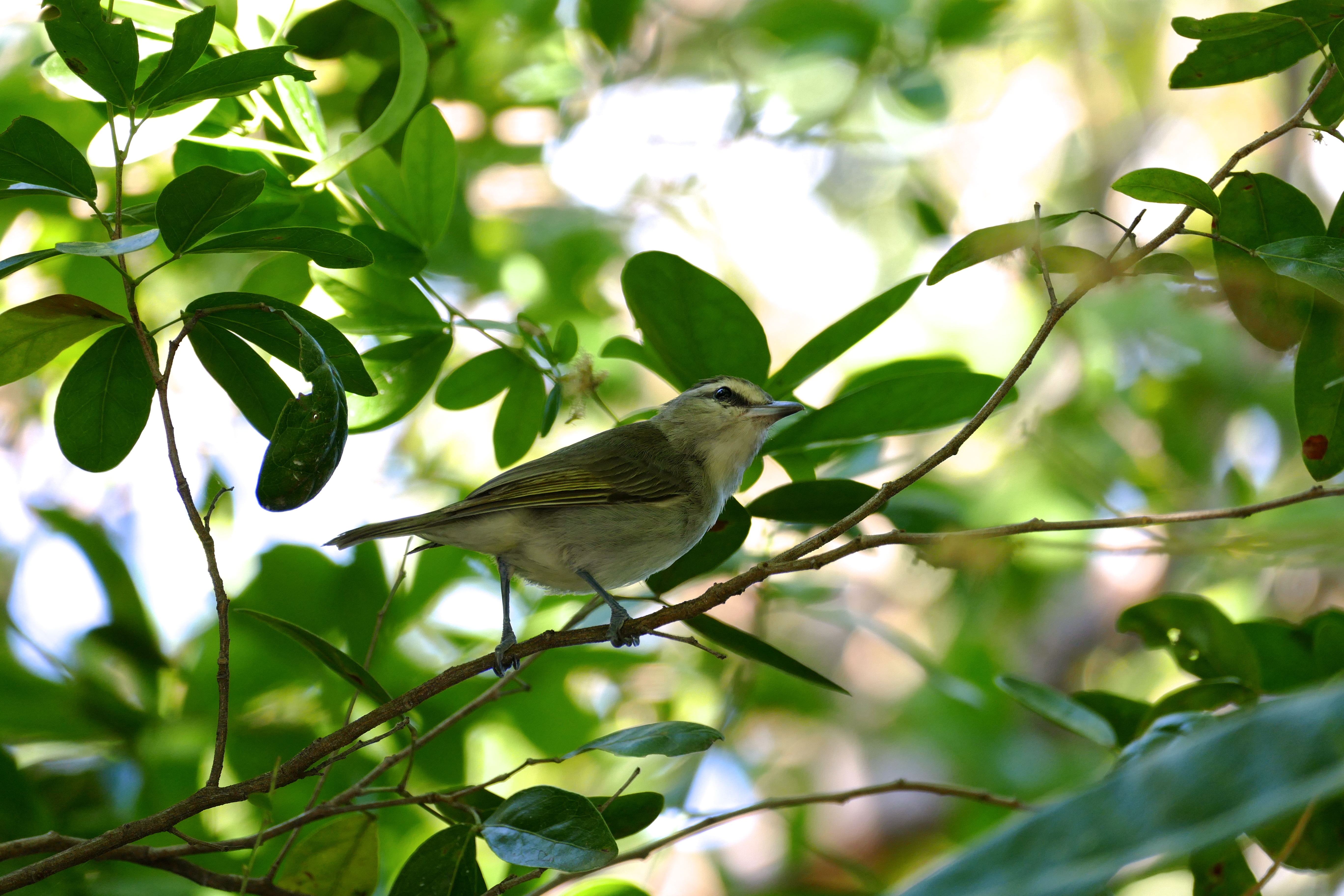
We were fortunate to be on the island during the Great Backyard Bird Count (GBBC) and thus were able to contribute bird sightings from a very under-explored region of the western hemisphere. This Yucatan Vireo (above) was one of many seen during our stay. We were also the only people to contribute records of Rufous-necked Wood-Rail to the GBBC this year – seems only right for a New Mexican birder to take on that job.
Once back on the mainland we visited the Belize Zoo, a facility that exhibits only native species and is a really important wildlife education facility for the country. Aside from education the zoo curator is a conservation activist and was largely responsible for conserving an important Scarlet Macaw breeding ground in Belize (one of only a few left). This Olive-throated Parakeet was seen in the trees just outside the zoo entrance. After the zoo we finished our drive to western Belize to stay along the banks of the Macal River at the wonderful duPlooy’s Jungle Lodge.
Upon arrival we were greeted by mama and baby Kinkajou! Soooo cute, just don’t get in between them and a banana.

The Collared Aracaris were part of the welcoming party!

They were a little shy at first…
But quickly adjusted.

One day we made the long, winding drive to Black Rock Lodge, slightly higher in elevation than duPlooy’s, and home to the endangered Orange-breasted Falcon. The Peregrine Fund has been partnering with Black Rock to reintroduce these majestic birds to their native haunts along the limestone escarpments in the thick Belizean jungles.

We didn’t just see local birds. We also saw some familiar faces. Here a Black-throated Green-Warbler is staging for his long journey to the Boreal Forest of upper North America.

An Olive-backed Euphonia makes his presence known.
We spent a great morning at Xunantunich Mayan Archaeological Site, near San Jose, Belize. Here our clients are approaching the ancient city, Xunantunich, for the first time!
The core of the city occupies about one square mile (2.6 km²), consisting of a series of six plazas surrounded by more than 26 temples and palaces. As a polity in whole, Xunantunich contains 140 mounds per square km. One of Xunantunich’s better known structures is the pyramid known as “El Castillo”, the dwelling where the city’s upper-class probably lived.

CHAAHK, The Rain God
Chaahk is the name of the Maya rain deity. With his lightning axe, he strikes the clouds and produces thunder and rain.
Here a White-collared Manakin shows off his dance moves for the females.
We have lots of other photos and stories to tell – from our spelunking adventures into the Mayan underworld to grand adventures in Guatemala – and we will get them posted just as soon as we can. For now, we hope you enjoyed the first of many posts about the wonderful country of Belize! We’ll see you there next year for another great adventure.

Recent Comments