
There is a version of birding that happens in the middle of the day. You have probably seen it. A group of people, sun high, bins up, walking a trail and checking things off. Nothing wrong with it. But it is not the version I think about when I think about the best mornings I have had in the field. Those mornings happen earlier, and they happen quieter.
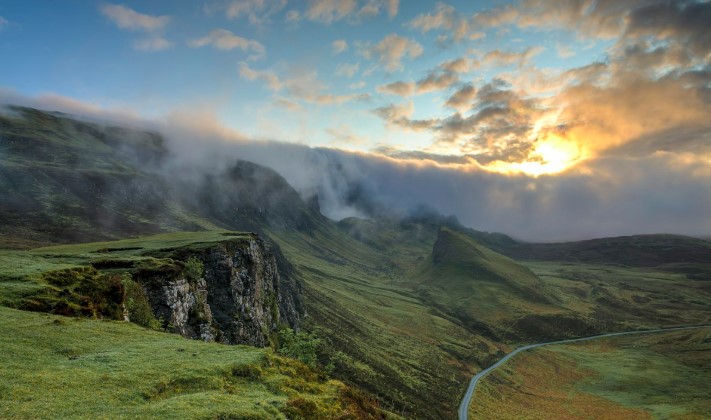
The hour before sunrise is the strangest part of the day. Everything is still. The air is heavier than it should be. Birds are not visible yet, but you can hear them starting to move. A single call from somewhere in the dark. A rustle in the reeds. Then, almost without warning, the whole thing turns on. The first real light hits the tops of the trees, and suddenly there are birds everywhere. Not new birds necessarily. The same birds that were there yesterday. But they are visible now, and they are active, and they are doing things.
Dawn is when the day is decided. Birds feed, they sing, they move between roosts and foraging areas. Territory disputes, pair bonding, all of it happens in that first hour or two before the sun gets high and the heat settles in. If you are not out in it, you miss most of what the birds actually do. You can still see birds later in the day, of course. But you see a different version of them. Slower. Quieter. More interested in shade than in each other.
Dusk is the other quiet hour, and it is just as good, in a different way. Birds that spent the day silent start calling again as the light drops. Owls and nightjars come out. Woodcock do their thing over open fields. If you have never stood at the edge of a field at last light and listened to a Woodcock doing its flight display, put it on a list. It is one of the best free shows in North American birding, and hardly anyone goes to see it because it happens after dinner.
The middle of the day has its own pleasures, and I do not want to sound like I am against it. Some species are only active then. Raptors soar in the heat. Butterflies come out. If you are on a trip with a group and you have to fit everything into one schedule, you take what you can get. But if you have the option, the quiet hours are where the real birding lives. That is when the birds are being birds, not just being looked at.
I think about this a lot when I plan trips. On a set departure, we are usually in the field by first light. Not because it looks good on paper, but because it is the only way to see certain things. Coffee in the van, quiet conversation, and then the birds take over. On custom trips, we can go even further, since there is no fixed group to coordinate. Some of my best custom trips have started at four in the morning because that was the only way to be at the right spot when the light came up.
The other thing about the quiet hours is that they are good for you. There is something about standing in the dark, waiting for the light, that settles the mind. You stop thinking about the list. You stop thinking about the next stop. You just listen. And then, when the light comes, you are ready for it, in a way that is hard to explain until you have done it a few times.
If you have only ever birded in the middle of the day, try the other end. Get up early on a day off. Go somewhere quiet. Stand still and listen. You will be tired by noon, and you will not care. You can see how we structure our trips around these hours on the tour calendar, or read a bit more about how we work on the Who We Are page. If you want to go out with someone who knows the quiet hours well, take a look at our guides. And if you are already a dawn person, drop us a line through the contact page. We like hearing from people who get it.
– Michael
Recent Comments